Everyday Energy Wins
We can help you make saving money on your energy bills your New Year’s resolution.
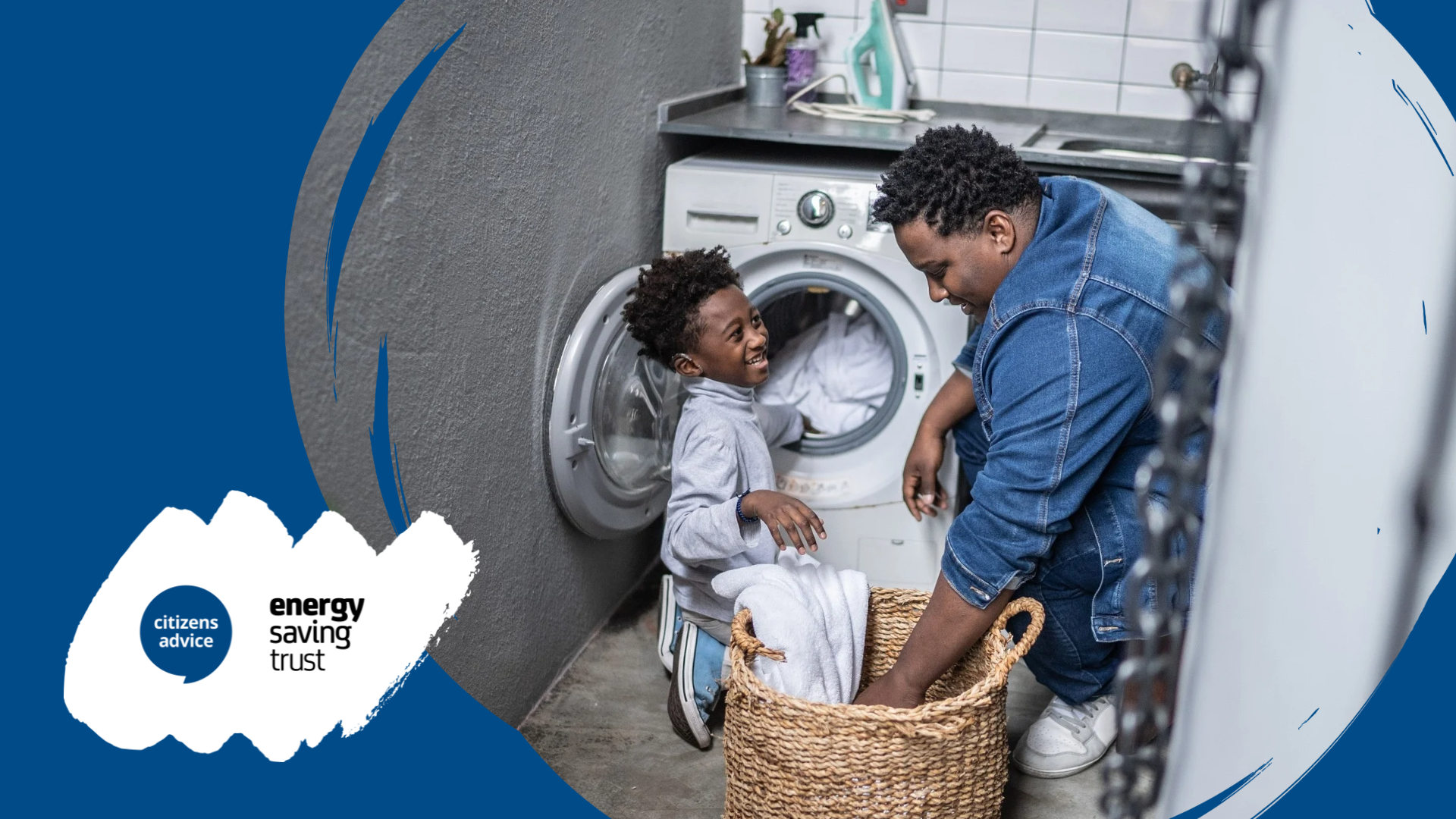
With energy bills putting pressure on all our budgets this winter, there’s no better time to take control of your energy use. This January, for Energy Savers Week, we’ve teamed up with Energy Saving Trust to share everyday energy wins - simple, practical tips that fit easily into your routine, helping you stay warm and save money. Scroll down to take a tour around the house, and see what easy energy wins you can find.
Bathroom
Whether you’re a morning or an evening shower taker, there are some simple steps you can take to help you save money by using less hot water.
Keep your shower time to 4 minutes - using a timer, or listening to a song can help
Reduce the water temperature of your shower; cooler showers use less energy
Keep your bathroom ventilated — close the bathroom door, turn on your extractor fan or open a window during, and for 15 minutes after, your shower to prevent damp and mould
Turn off the tap while brushing your teeth, shaving, or washing your face, and use cold water if you don’t need hot
Doing your washing
We know the laundry basket is never empty! Here are some ways to manage energy use and keep your costs down while tackling the washing.
Use your washing machine's 'eco' cycle for dirty laundry - this takes longer but uses less energy. These are sometimes called ‘Eco 40-60’ or ‘Eco cotton' cycles
Use a cold cycle (20 or 30 degrees Celsius) for laundry that needs a ‘freshen up’ but isn’t visibly or heavily soiled
Use a heated clothes airer instead of a tumble dryer - these are cheaper to run, and they’ll also allow clothes to dry more quickly than a standard clothes airer. Remember to ventilate the room by keeping trickle vents or a window open. You could also use a dehumidifier
Hanging your washing outside can be an effective way to dry clothes. You can do this on sunny days but colder and overcast days can also be drying days. Look for days when it’s breezy and when the ground is dry
If you are on a smart tariff, then schedule appliances to run during lower price times (only run them when you are at home and awake due to potential fire risks)
In the Kitchen
From boiling water to baking, the kitchen is where energy use adds up fast. Simple changes in how you cook can help to ease the strain on your budget, without having to miss out on the meals you love.
Use the appliance that fits the meal you’re making. An air fryer, microwave or slow cooker usually use less energy than an oven or hob, and can be more economical if cooking a single meal. Make sure to turn on your cooking extractor while cooking. If you don’t have an extractor fan, open a window instead
Defrost frozen food in the fridge before you cook it - this will reduce the cooking time
Cook more food at the same time - you can keep leftover food, that is safe to reheat, in the fridge or freezer
Put lids on pans while you’re cooking, and make sure you’re using the right size pan for the amount of food so you use less energy heating it
When you boil the kettle, measure out the water you need - don't overfill the kettle. Boiling water in the kettle before adding to the pan will also help your food cook more quickly
Defrost your fridge or freezer once or twice a year and don’t hold the door open for extended periods of time - this will help use less energy to stay cold
Your heating
Heating your home is essential not just for comfort, but for maintaining a healthy, safe living environment. Understanding and making good use of your heating controls can help you manage your usage, keep a handle on costs and stay healthy.
Check the temperature on the thermostat - between 18 and 21 degrees Celsius is fine for most people
Check your heating times – if you have a boiler set the temperature 2 or 3 degrees lower, (or programme it to be off) when you’re out or asleep. If you heat your home with another type of heating, such as a heat pump, check with the installer before changing any settings
Check the thermostatic radiator valves – Some have numbers on them. You can for example set each one to the lowest number that keeps the room comfortable. Set them to 3 or 4 for rooms you want warmer and 1 or 2 for rooms you want cooler
Install a radiator reflector if your house isn’t well insulated. These are easy to install even in rented homes, and will make rooms feel warmer if you have radiators on external walls
Close your curtains and blinds when it gets dark, as this helps keep the heat in at night. Keeping your curtains or blinds open when it’s light lets the sun warm the room
Exploring energy efficiency grants
You might be able to apply for help with the cost of home improvements, such as insulation, a new boiler or a renewable heating system like a heat pump.
Spend some time checking in on the help available for paying for energy efficiency home improvements. This includes:
The Energy Company Obligation (ECO) scheme
The Great British Insulation Scheme (GBIS)
The Warm Homes: Local Grant scheme (England only)
Nest scheme (Wales only)
The Boiler Upgrade Scheme (BUS)
If you're not sure what home improvements you could get, check how to make your home more energy efficient.
If you rent your home, you should talk to your landlord before applying for any home improvement schemes.
If you’d like to get involved, click here for Energy Savers Week resources.
Need more advice?
Call our consumer helpline for advice on energy on 0808 223 1133
To contact a Welsh-speaking adviser: 0808 223 1144
Our helplines are available 9am to 5pm, Monday to Friday. They’re not available on public holidays and calls are free from mobiles and landlines.
Our advisers can:
give you practical and impartial advice on how to resolve your consumer problem
tell you the law which applies to your situation
pass information about complaints on to Trading Standards (you can’t do this yourself)
pass a complaint to your energy supplier
Find out how else you can contact our consumer helpline for advice on energy here.
Last updated: December 2025